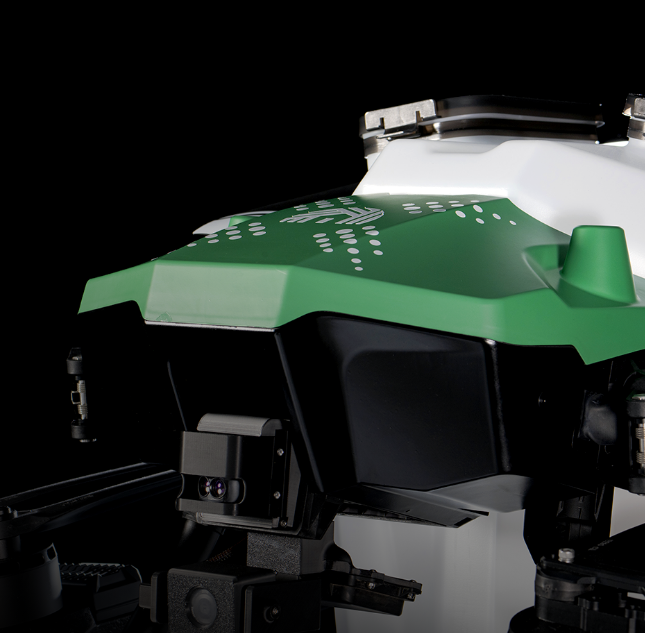
Mosquito Control Drones and Software
Central UAS Technologies provides droplet analysis software and aerial application technologies that have transformed mosquito control for mosquito abatement districts. Drones enable highly accurate aerial mosquito spraying, improving safety, efficacy, and cost efficiency while minimizing environmental impact. Paired with software for mosquito control related activities, Central UAS Technologies solutions provide real-time monitoring, helping districts optimize treatment schedules and respond quickly to emerging threats.
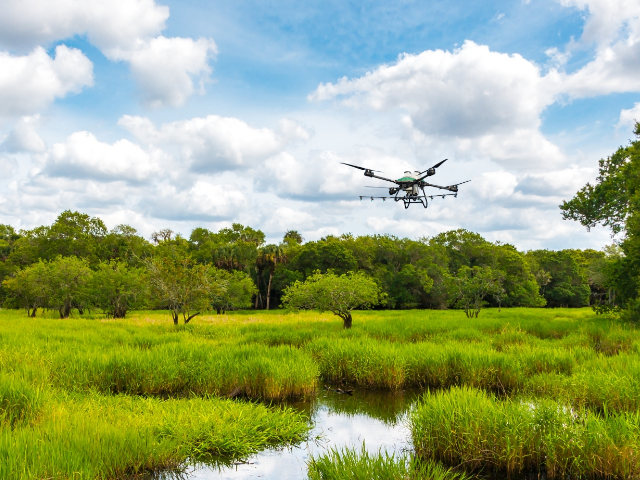
Aerial Mosquito Spraying Use Cases

Aerial mosquito spraying

Adulticide and larvicide applications

Wide-area mosquito surveillance

Emergency response after storms

Buffer-zone treatments
Aerial Mosquito Spraying Market Benefits
- • Precise droplet control
- • Reduced chemical drift
- • Efficient coverage of large districts
- • Lower operational costs than manned aircraft
- • Real-time monitoring and reporting

Frequently Asked Questions
How accurate is aerial mosquito spraying with drones?
Very accurate. Our drones provide controlled droplet sizes and uniform coverage.
Can drones treat both adult mosquitoes and larvae?
Yes — payload systems support liquid, granular and ULV formulations.
Do I need special software for mosquito surveillance?
Special software can help with mosquito surveillance. Vector control software helps plan missions, evaluate droplet patterns, track coverage, and document treatments.
I want to make sure the drone I purchase serves my needs in terms of battery life. Can you provide a breakdown of the battery life on each Central UAS Technologies drone, with information on how long they take to charge?
In most drone aerial spraying applications, you'll typically run out of payload before you run out of battery, even when applying at lower rates. Actual flight time depends on drone payload weight, weather, and flight style.
With proper handling and maintenance, batteries may reach 700-1000 cycles, but districts using drones for mosquito control should plan to replace them within about three seasons based on usage.
All batteries are aircraft- and charger-specific, and proper storage and safety procedures are essential. Batteries contain hazardous materials and need to be handled and cared for properly.
My district is starting the process of incorporating drone sprayer applications into our workflow. What licenses, waivers, insurance, or other regulatory steps are required to make drone applications of mosquito control products?
To begin drone mosquito control applications, districts need FAA Part 107-certified pilots (with visual observer/safety procedures in place). Many programs complete certification before purchasing to streamline startup.
Operational approvals typically include FAA registration and a Part 137 or Public Aircraft Operation (COA/PAO) authorization for drone aerial spraying applications.
State requirements vary but usually include an aerial applicator exam plus a specialty exam for vector control.
Districts should also maintain appropriate liability and workers' compensation coverage.
Related Products
PrecisionVision® Drones
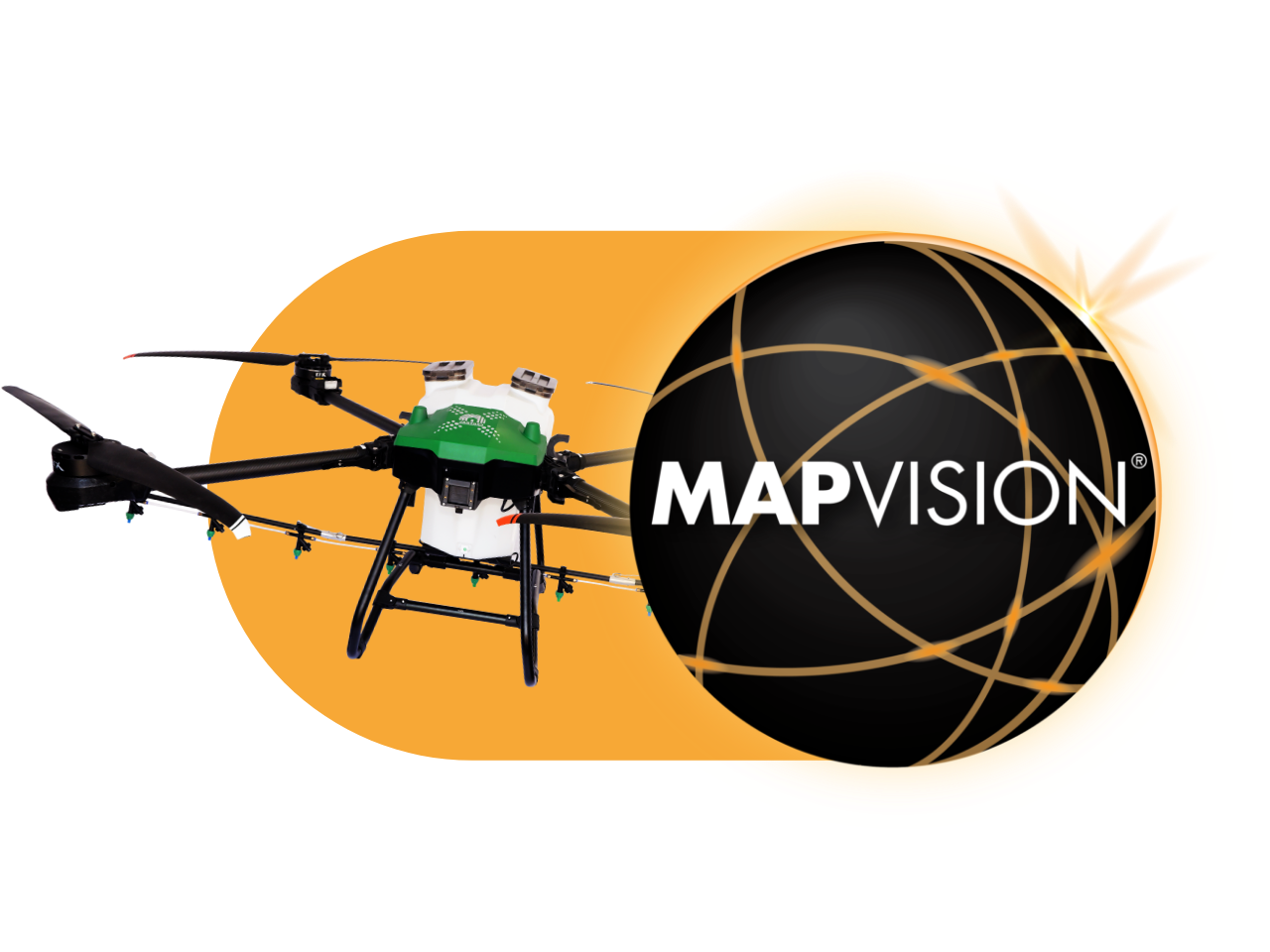
The PrecisionVision® Unmanned Aircraft System is designed, engineered, and built in the United States using domestic and global components. Explore our mosquito drones and larvicide spraying drones, purpose-built for aerial mosquito spraying, mosquito surveillance, and efficient operations.
Solutions That Solve
Central UAS Technologies pairs its advanced spray drones with software solutions that improve vector control management including droplet analysis for label compliance. These tools enable real-time monitoring, optimized treatment schedules, and geospatial data management to improve the safety, efficacy, and environmental responsibility of mosquito control programs.