Livestock, Pasture & Rangeland Management
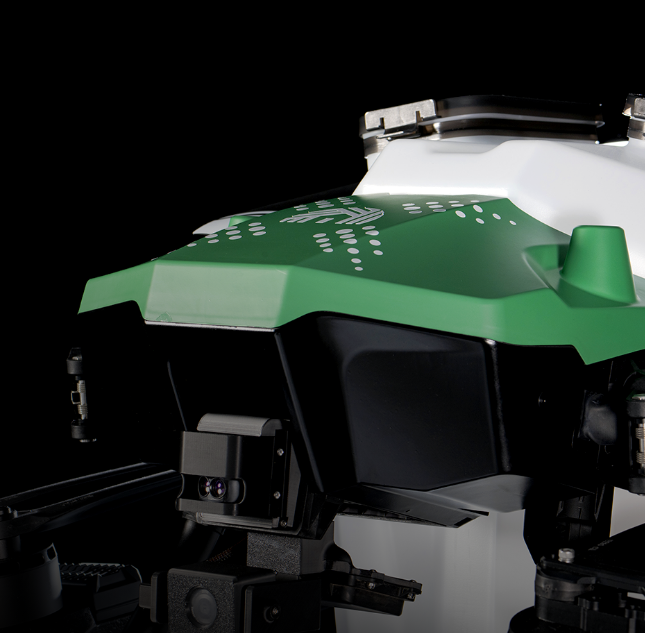
Livestock operations face constant pressure to protect animal health, maintain pasture quality and control costly pest populations, all while maximizing efficiency across large areas of land. At Central UAS Technologies, our precision drone application systems and aerial imaging capabilities help producers take a more precise, flexible and cost-effective approach to livestock management.
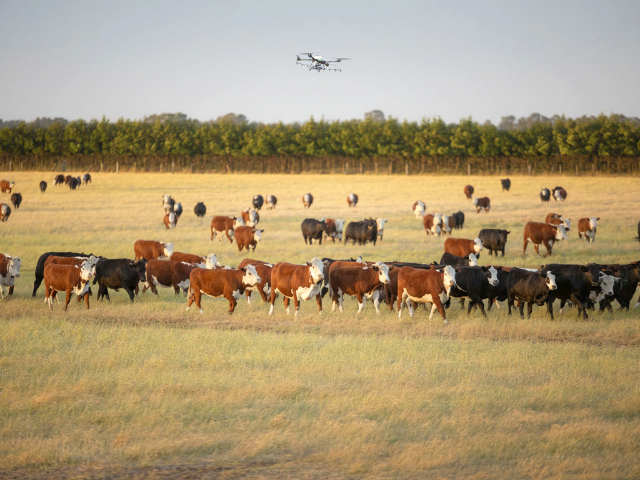
Our technology has been successfully utilized for weed control, fire ant bait, and mosquito control applications in pasture and rangeland settings.
Livestock Drone Capabilities

Liquid, granular, and ULV crop spraying

Targeted mosquito control, larvicide and fungicide applications
Aerial Imaging Capabilities
Beyond applications, aerial imaging capabilities provide livestock producers with a powerful tool for identifying noxious weeds and making more informed treatment decisions. Whether conducting spot treatments or broadcast applications, drone technology allows operators to target specific problem areas with precision, helping reduce overall material usage instead of treating entire fields unnecessarily.

Frequently Asked Questions
Can I see a demonstration of your drones, and is there any cost associated with a demo?
Yes, we are happy to demonstrate the benefits of our drone technology. We just need to know where and when. There are costs associated.
Can one drone handle multiple livestock-related applications (weed control, mosquito abatement, fire ant pasture applications, pasture/hay spraying, fertilizer/seeding, wildlife food plots), and what is the total out-the-door cost?
Yes, there are three payloads: liquid, granular, ULV. A few examples of these applications are granular materials ranging from pre-emergent herbicides, ant bait, larvicides, fertilizers, cover crop seeding.
ULV is used for adult mosquito control. The system produces an average droplet size of 40 microns. The liquid payload system handles any liquid formulations ranging from herbicides, fungicides and insecticides. The PrecisionVision® 100X is the most diverse system available, as it can be configured with conventional boom and nozzle with any nozzle tip installed or 4-rotary atomizers.
Does rain or snow affect a drone’s ability to fly or spray effectively?
We highly recommend that the system is not flown in rain or snow, as that can affect the material being applied.
How precise is drone application around sensitive areas such as livestock feed bunks or high-traffic zones?
As far as aircraft flight accuracy, the precision can be within 10-12 cm. If referring to the material being applied, the conventional boom and nozzle configuration configured with AI (air assist nozzle tips) reduces driftable fine droplets substantially. In minimal cross wind conditions, an approximate half swath (10-20’) drift would be expected.
How close can treatments be applied near livestock feed areas, and what controls are in place to prevent exposure?
Making assumptions that this applies to livestock being present, cattle tend to get used to the aircraft operations and eventually ignore an aircraft’s presence. Also, assuming the user is referring to a liquid application, the droplet spectrum can be selected specifically to the target insect and release height. We have flown as high as 80’ applying herbicides with Accuflow nozzles and as low as 12’ applying a much finer droplet.
How effective are drones for noxious weed control in pasture and range environments?
Extremely effective with many acres treated over the last five years. Terrain following radar, precision flow control, obstacle detection and droplet spectrum based on target plant, as well as systemic or contact herbicide, dictates the application parameters. Water quality analysis with a simple kit can identify the pH and contents of the water. In combination with herbicides, we often provide additives to ensure that herbicide will not bind to matter, adjust pH, as well as act as drift control agent.
Related Products
PrecisionVision® Drones for Livestock
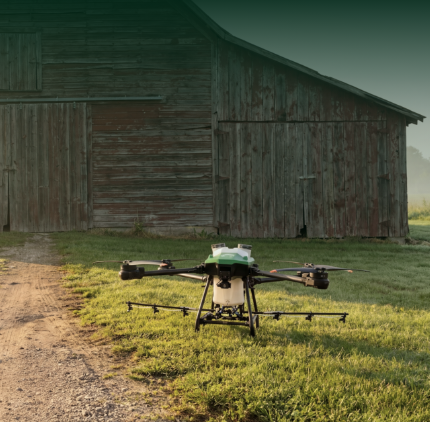
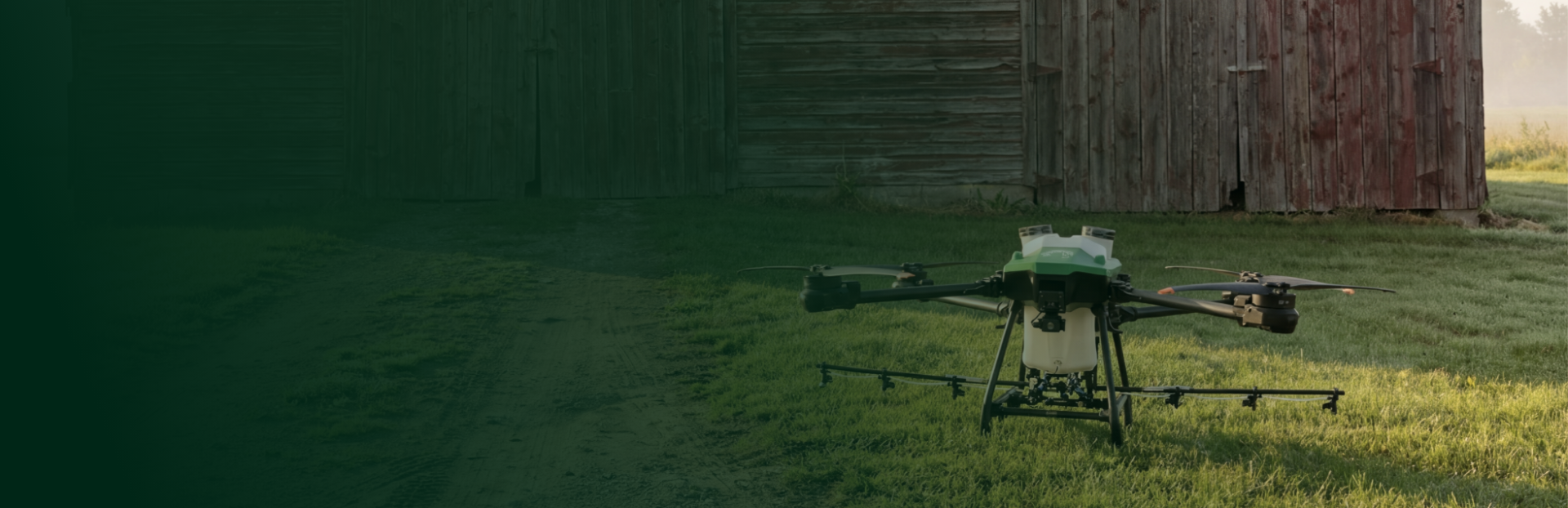
Our PrecisionVision® Unmanned Aircraft System is designed, engineered and manufactured in the United States with domestic and global components. Explore the evolution of our livestock drone model.
See Our Software Solutions
Central UAS Technologies pairs our cutting-edge agriculture drones with software solutions that deliver droplet analysis, payload solutions and geospatial web-based data management for agricultural operations.